
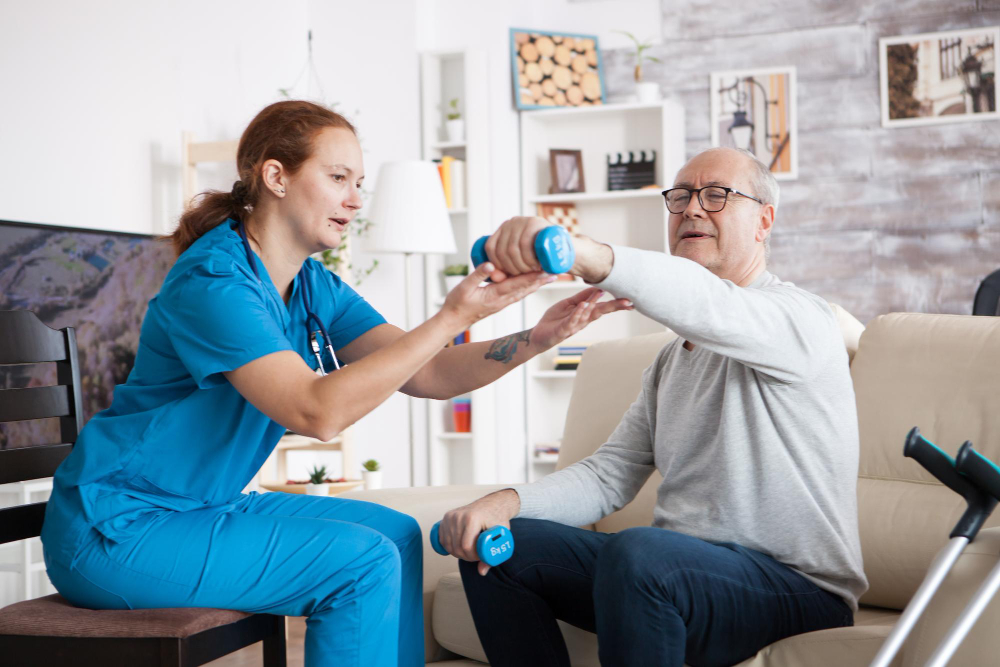
Introduction: What Is Stroke Rehabilitation in Elderly Patients?
Stroke rehabilitation in elderly patients is a process that helps older adults recover after a stroke. A stroke happens when blood flow to the brain stops. This can cause weakness, trouble speaking, or other problems. Rehabilitation aims to help seniors regain lost skills and improve their quality of life. Early and effective rehab, including physiotherapy for stroke recovery, can make a big difference in how well a person recovers.
Common Symptoms After Stroke in Elderly
After a stroke, elderly patients may notice several symptoms. These can vary from person to person. However, some symptoms are more common in older adults. Recognizing these signs early can help with faster recovery.
Because these symptoms can affect daily life, it is important to start stroke rehab exercises for seniors as soon as possible.
Causes and Risk Factors for Stroke in Older Adults
Many factors can increase the risk of stroke in elderly people. Understanding these causes can help with prevention and better care.
As people age, their blood vessels may become weaker. This makes older adults more likely to have a stroke. Therefore, regular health checks are important.
Importance of Early Diagnosis and Assessment
Early diagnosis of stroke is very important. Quick action can save brain cells and reduce long-term problems. If you notice sudden weakness, trouble speaking, or vision loss, seek medical help right away. Doctors use tests to find out which part of the brain is affected. After diagnosis, a team will assess the patient’s needs. This helps create a personalized stroke rehabilitation plan for elderly patients. Early assessment leads to better recovery and helps set clear goals for rehab.
Key Physiotherapy and Rehabilitation Strategies
Physiotherapy for stroke recovery is a key part of rehabilitation. It helps seniors regain strength, balance, and movement. Different strategies are used based on each person’s needs. Here are some effective methods:
Because every stroke is different, a physiotherapist will design a plan that fits the patient’s needs. Regular sessions and home exercises are important for progress. For those searching for help, “stroke rehabilitation centers near me” can offer specialized care.
Lifestyle Changes and Home Care Tips
After leaving the hospital, home care is very important for elderly stroke recovery. Simple changes can make daily life safer and easier. Here are some tips:
Additionally, caregivers should watch for signs of depression or confusion. If these appear, talk to a doctor for help.
Prevention of Recurrent Strokes
Preventing another stroke is very important for elderly patients. There are several steps you can take:
Because stroke risk increases with age, these steps are vital for long-term health. The CDC and WHO recommend these actions for stroke prevention.
Frequently Asked Questions
Conclusion
In summary, stroke rehabilitation in elderly patients is a journey that needs patience and support. Early diagnosis, effective physiotherapy, and healthy lifestyle changes can help seniors recover better. For the best results, consult a physiotherapist or healthcare specialist for personalized stroke rehabilitation guidance.