
What is Parkinson’s Disease?
Parkinson’s disease is a long-term condition that affects the brain. It mainly impacts movement and balance. According to the World Health Organization (WHO), Parkinson’s is one of the most common movement disorders worldwide. While it usually starts slowly, symptoms can get worse over time. Many people notice shaking, stiffness, or trouble walking. Because it affects daily life, early support and care are important.
How Parkinson’s Affects Mobility
Parkinson’s disease changes how the body moves. For example, people may walk more slowly or shuffle their feet. Sometimes, muscles feel stiff or tight. This can make it harder to get up from a chair or turn around. In addition, balance problems can increase the risk of falls. Over time, these changes can make daily activities more difficult. However, with the right support, many people can keep moving safely.
Role of Physiotherapy in Parkinson’s Rehabilitation
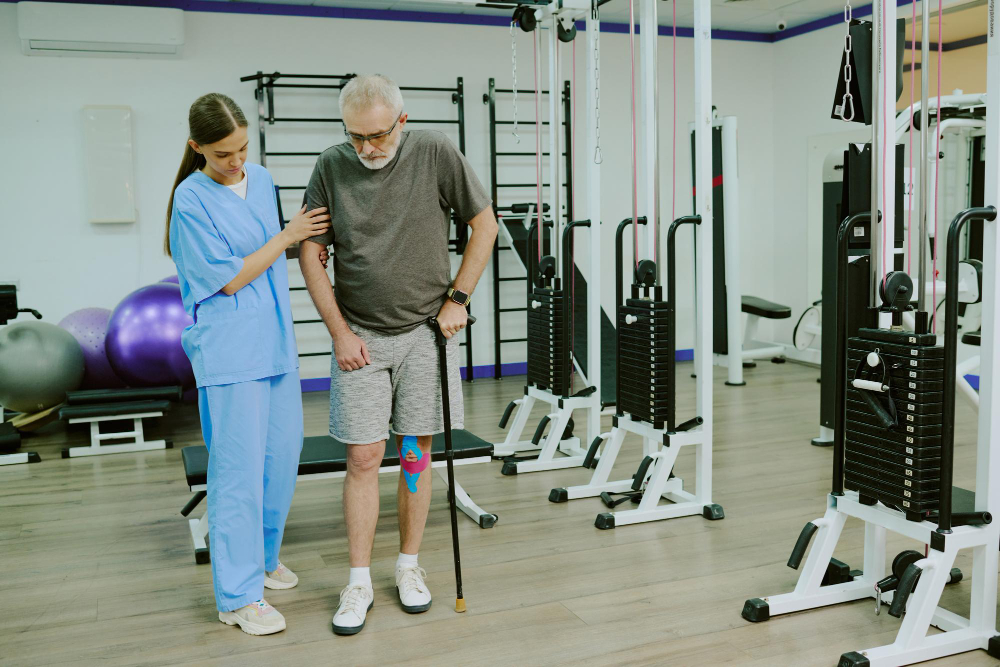
Physiotherapy for Parkinson’s is a key part of Parkinson’s rehabilitation. It helps people move better and stay active. A physiotherapist is a trained health professional who guides safe exercises. Not only do they teach movement skills, but they also help prevent falls. According to the Centers for Disease Control and Prevention (CDC), exercise therapy can slow down the loss of movement skills in Parkinson’s. Therefore, regular physiotherapy sessions are often recommended.
Common Physiotherapy Approaches for Better Mobility
There are several ways physiotherapists help improve mobility in Parkinson’s. Each approach is chosen based on a person’s needs. For example, some common methods include:
Because each person is different, a physiotherapist will create a plan that fits individual needs.
Benefits of Physiotherapy for Parkinson’s Patients
Physiotherapy for Parkinson’s offers many benefits. For instance, it can help people:
Moreover, studies in medical journals show that regular exercise therapy can slow down some symptoms of Parkinson’s. As a result, many people feel more in control of their health.
Tips for Incorporating Physiotherapy into Daily Life
Adding physiotherapy to your daily routine can be simple. For example, you can:
Because everyone’s needs are different, it is important to follow your physiotherapist’s advice. They can adjust your plan as needed.
Safety Considerations and When to Seek Professional Help
Staying safe during Parkinson’s rehabilitation is very important. Always check your space for tripping hazards before starting exercises. Wear comfortable shoes and use support, like a chair or rail, if needed. If you feel dizzy, stop and rest right away. In addition, let your physiotherapist know about any new pain or changes in movement. You should seek professional help if you:
Because Parkinson’s symptoms can change, regular check-ins with your healthcare team are important. They can help keep your rehabilitation safe and effective.