
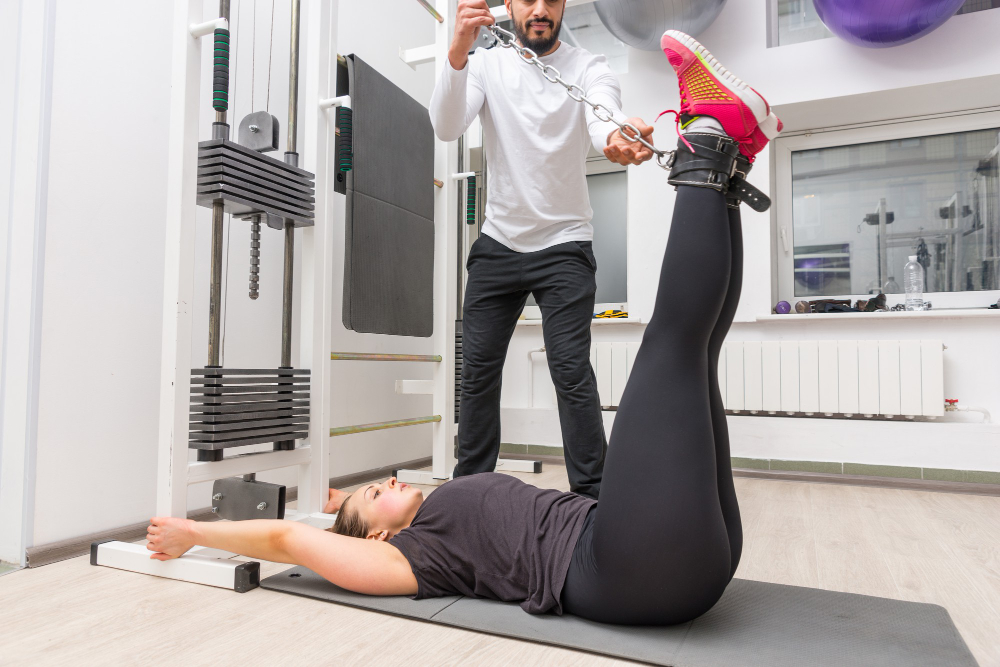
What is Clinical Pilates?
Clinical Pilates for back pain and injury recovery is a special form of Pilates. It focuses on helping people heal after injuries or manage pain. Unlike regular Pilates, it is guided by a trained health professional, such as a physiotherapist. Often, these sessions use gentle exercises. The goal is to improve strength, flexibility, and posture. Because it is tailored to your needs, it can help you recover safely. Many clinics and rehab centers now offer this approach. According to the World Health Organization, exercise-based rehab can support healing and prevent future problems.
How Clinical Pilates Differs from Traditional Pilates
While both types of Pilates use similar movements, there are key differences. First, clinical Pilates is designed for people with injuries or pain. In contrast, traditional Pilates is often for fitness or general health. Additionally, a health professional leads clinical Pilates sessions. They assess your needs and adjust exercises for safety. For example, if you have back pain, they may avoid certain moves. Moreover, clinical Pilates uses slow, controlled movements. This helps reduce the risk of further injury.
Common Causes of Back Pain and Injuries
Back pain is very common. In fact, the CDC reports that millions of people experience it each year. There are many reasons why someone might have back pain or injuries. Sometimes, it is due to muscle strain from lifting heavy objects. Other times, poor posture or sitting for long hours can cause pain. In addition, accidents, falls, or sports injuries may lead to back problems. For some people, conditions like herniated discs or arthritis are the cause. Because back pain can have many sources, it is important to find the right treatment.
How Clinical Pilates Helps with Back Pain and Injury Recovery
Clinical Pilates for back pain and injury recovery uses gentle, targeted exercises. These movements help strengthen the muscles that support your spine. As a result, your posture improves and pain may decrease. For example, rehab-focused Pilates can teach you how to move safely. This reduces stress on your back. In many cases, Pilates for injury rehabilitation also helps improve flexibility. Over time, you may notice less stiffness and better movement. According to peer-reviewed studies, exercise-based rehab can speed up recovery and lower the risk of future injuries.
Key Benefits of Clinical Pilates in Rehabilitation
There are many benefits to choosing clinical Pilates for back pain relief. First, it offers a safe way to exercise after an injury. Because the program is tailored, you can work at your own pace. Furthermore, rehab-focused Pilates can help prevent future injuries. It does this by teaching you how to move and lift safely. In addition, regular sessions may boost your confidence. Many people also notice better balance and coordination. For those with chronic pain, Pilates for injury rehabilitation can improve quality of life.
What to Expect in a Clinical Pilates Session
When you attend a clinical Pilates session, you will first have an assessment. The instructor will ask about your pain, injury, and health history. Next, they will design a program just for you. During each session, you will do a series of gentle exercises. Sometimes, small equipment like bands or balls is used. The instructor will guide you through each move. They will also check your form and make sure you are safe. Over time, the exercises may become more challenging as you get stronger.
Safety Tips and Precautions
Safety is very important in clinical Pilates for back pain and injury recovery. Before starting, always talk to your doctor or health professional. If you feel pain during a session, let your instructor know right away. Because everyone heals at a different pace, do not rush the process. In addition, wear comfortable clothing and stay hydrated. Your instructor should check your form to prevent injury. For those with medical conditions, extra care may be needed. Always follow your instructor’s advice and stop if you feel unwell.
How to Find a Qualified Clinical Pilates Instructor
Finding the right instructor is key to safe and effective rehab-focused Pilates. Look for someone with training in clinical Pilates and a background in health, such as a physiotherapist. Many clinics list their staff’s qualifications online. Additionally, ask if the instructor has experience with back pain or injury rehabilitation. You can also check for certifications from recognized bodies. For example, some instructors are certified by the Australian Physiotherapy and Pilates Institute or similar groups. Before you begin, ask about their approach and how they tailor sessions to your needs.