
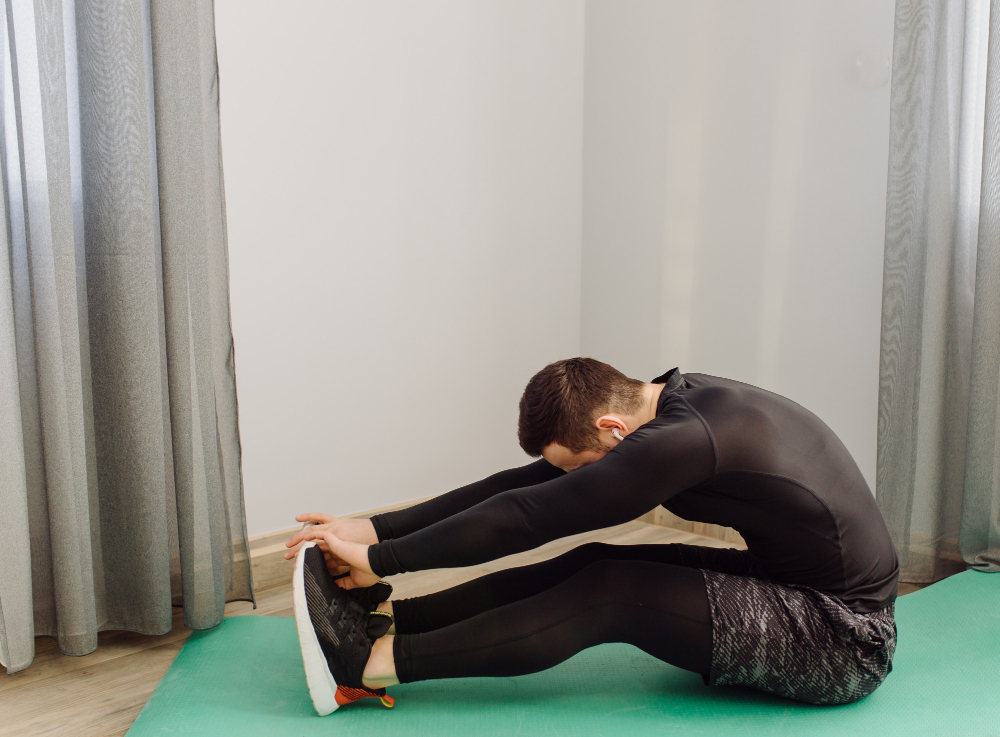
Introduction to Yoga for Athletes
Many athletes look for ways to boost their performance and prevent injuries. Yoga for Athletes: Dynamic Stretching to Improve Hamstring and Hip Flexibility is a proven method. Not only does yoga help with strength, but it also improves flexibility. As a result, athletes can move better and recover faster. In this blog, you will learn how dynamic yoga stretches can help your hamstrings and hips.
Importance of Hamstring and Hip Flexibility in Sports
Strong and flexible hamstrings and hips are vital for athletes. For example, runners, soccer players, and dancers use these muscles in every move. However, tightness in these areas can cause pain or even injury. Therefore, keeping these muscles, flexible helps you move freely. In addition, good flexibility can improve your speed and balance. According to the CDC, stretching can lower the risk of muscle strains and joint pain.
What is Dynamic Stretching? (with focus on yoga)
Dynamic stretching means moving your muscles through a full range of motion. Unlike static stretching, you do not hold one position for long. Instead, you move gently and repeat each stretch. In yoga, dynamic stretches flow from one pose to another. This keeps your body warm and ready for action. For athletes, dynamic yoga stretches for athletes are ideal before training or games. They help prepare your muscles and joints for movement.
Top Yoga-Based Dynamic Stretches for Hamstrings and Hips
Below are some effective hamstring flexibility exercises and hip mobility yoga routines. Try these before your workout or sports practice:
Benefits of Dynamic Stretching for Athletes
Dynamic stretching offers many benefits for athletes. First, it increases blood flow to your muscles. Second, it helps your joints move better. Third, it can lower your risk of injury. In addition, dynamic yoga stretches for athletes can improve your balance and coordination. Studies in sports medicine journals show that dynamic stretching before activity can boost performance. Therefore, adding these stretches to your routine is a smart choice.
Safety Tips and Best Practices
To stay safe while stretching, follow these tips:
Additionally, always breathe deeply during each stretch. This helps your muscles relax and stretch better.
Prevention and Maintenance Strategies
Keeping your hamstrings and hips flexible takes regular effort. For best results, add dynamic yoga stretches to your routine three to five times a week. Also, mix in other activities like walking or swimming. Over time, you will notice better movement and less tightness. If you play sports often, regular stretching can help prevent injuries. Remember, consistency is key for long-term results.
Conclusion and Call-to-Action
In summary, yoga for athletes: dynamic stretching to improve hamstring and hip flexibility is a safe and effective way to boost your performance. With regular practice, you can move better and lower your risk of injury. For personalized guidance, consult a physiotherapist.